
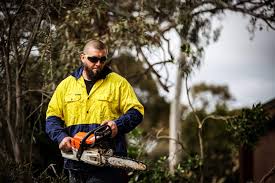
If any of the signs below show up, it is usually time for Arborists Sydney to inspect the tree, assess risk, and recommend the safest next step.
Is the tree suddenly leaning more than it used to?
A new or increasing lean is a classic red flag. It can signal root failure, soil movement, or internal decay, even if the canopy still looks healthy.
If the lean worsened after storms, heavy rain, or construction nearby, the risk is higher. Arborists can check root stability, soil conditions, and load distribution to confirm whether the tree is safe.
Are there cracks, splits, or large wounds on the trunk or major limbs?
Visible cracks in the trunk or main scaffold branches can mean the tree is already failing. Splits often worsen quietly, then give way under wind load.
Large wounds from impact, pruning, or storm damage can also create weak points and invite decay. Arborists assess crack depth, structural integrity, and whether cabling, pruning, or removal is needed.
Are mushrooms or fungal growth appearing near the base?
Fungal fruiting bodies on the trunk, roots, or surrounding soil often indicate internal rot. The outside may look normal while the inside strength is compromised.
This is especially concerning near the buttress roots or root collar, where support is critical. Arborists can identify likely decay patterns and determine how much structural wood remains.
Other Resources : Apply to prune or remove a tree
Is there deadwood in the canopy or branches dying back?
Dead branches are not just untidy. They can drop without warning and may also point to stress, disease, root damage, or internal defects.
If dieback is spreading through the crown, the tree may be declining faster than expected. Arborists evaluate canopy health alongside structural risk, then recommend pruning, monitoring, or more urgent action.
Did recent storms cause hanging branches or disturbed roots?
After strong winds, trees can suffer hidden damage like cracked unions, torn roots, or shifted soil plates. Hanging limbs and partially broken branches are immediate hazards.
Even if everything looks “mostly fine,” storm loads can create fractures that fail later. Arborists can inspect high-risk unions and root zones and decide whether the tree can be retained safely.
Has building or excavation happened near the tree’s root zone?
Construction often damages roots without anyone noticing. Trenching, driveway works, levelling, or repeated vehicle traffic can reduce anchorage and water uptake.
The risk may show up months later as thinning foliage, leaning, or branch failure. Arborists assess root disturbance, soil compaction, and changes to the tree’s stability, then advise mitigation where possible. Click here to get more about 5 reasons to search stump grinding services near me after tree removal.
Are there signs the tree could strike a home, fence, or powerlines if it fails?
Any tree with targets underneath needs a higher standard of assessment. Even a moderate defect becomes a serious risk when the likely impact zone includes a roof, play area, footpath, or neighbour’s property.
Arborists consider tree height, branch reach, defects, and occupancy of the area to estimate consequences. That risk-based approach is what helps owners prioritise action sensibly.
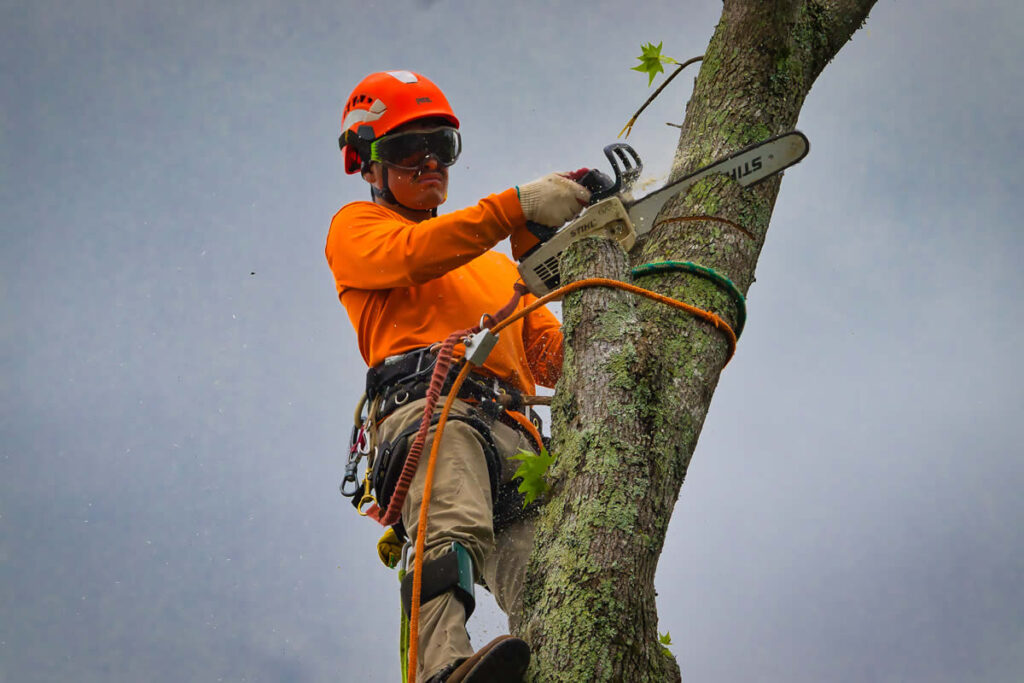
What should they do next if one or more signs apply?
They should book a tree risk assessment with qualified Arborists Sydney before attempting major pruning or waiting for the next storm. A proper assessment clarifies whether the tree can be made safe with targeted work, needs monitoring, or should be removed to prevent a predictable failure.
FAQs (Frequently Asked Questions)
Why can a tree look healthy from the street but still be unsafe?
A tree may appear fine from the street while hiding structural issues such as root failure, internal decay, or soil movement that compromise its safety. A proper tree risk assessment by qualified Arborists Sydney helps identify these hidden risks before they cause property damage, injury, or urgent removal.
What does a sudden or increasing lean in a tree indicate?
A new or increasing lean is a classic red flag signaling possible root failure, soil movement, or internal decay—even if the canopy looks healthy. Leaning worsened after storms, heavy rain, or nearby construction increases risk. Arborists Sydney can assess root stability and soil conditions to determine if the tree remains safe.
How do cracks, splits, or large wounds on a tree affect its safety?
Visible cracks and splits in the trunk or major limbs often indicate structural failure that can worsen silently and cause branches to give way under wind load. Large wounds from impact or storm damage create weak points inviting decay. Arborists evaluate these defects to recommend cabling, pruning, or removal for safety.
What does fungal growth near the base of a tree signify?
Mushrooms or fungal fruiting bodies on the trunk, roots, or surrounding soil usually indicate internal rot compromising the tree’s strength. This is particularly concerning near buttress roots where support is critical. Arborists identify decay patterns and assess remaining structural wood to advise on risk and necessary action.
Why is deadwood in the canopy a concern for tree safety?
Dead branches can fall without warning and may signal underlying stress, disease, root damage, or internal defects. Spreading dieback suggests rapid decline of the tree’s health. Arborists evaluate canopy condition alongside structural risks to recommend pruning, monitoring, or urgent interventions.
When should I contact Arborists Sydney for a tree risk assessment?
If you notice signs like increased leaning, cracks or wounds on the trunk, fungal growth near the base, deadwood in branches, storm damage such as hanging limbs or disturbed roots, construction near roots, or if the tree poses a risk to homes and powerlines, it’s time to book a professional tree risk assessment. Early evaluation ensures safe management through targeted work, monitoring, or removal to prevent hazards.